
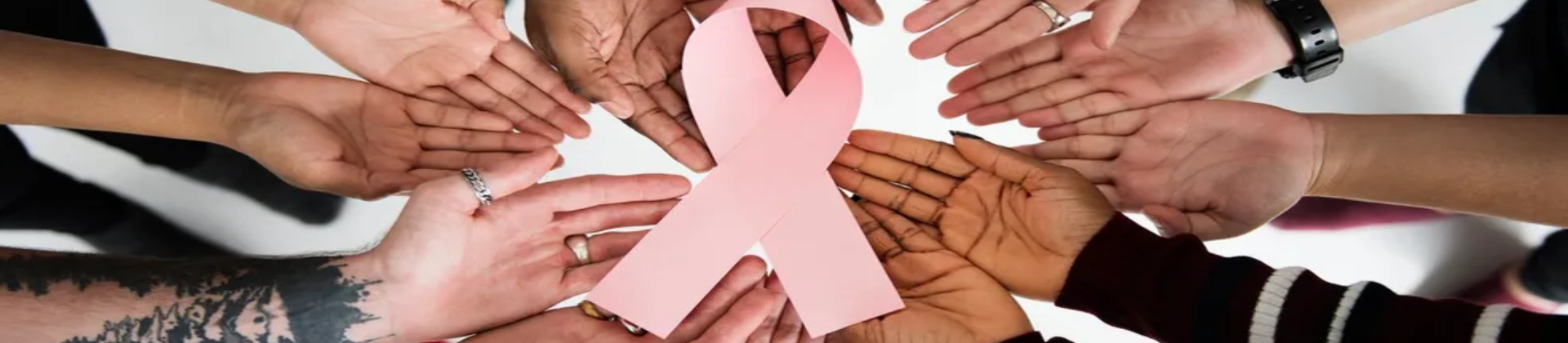
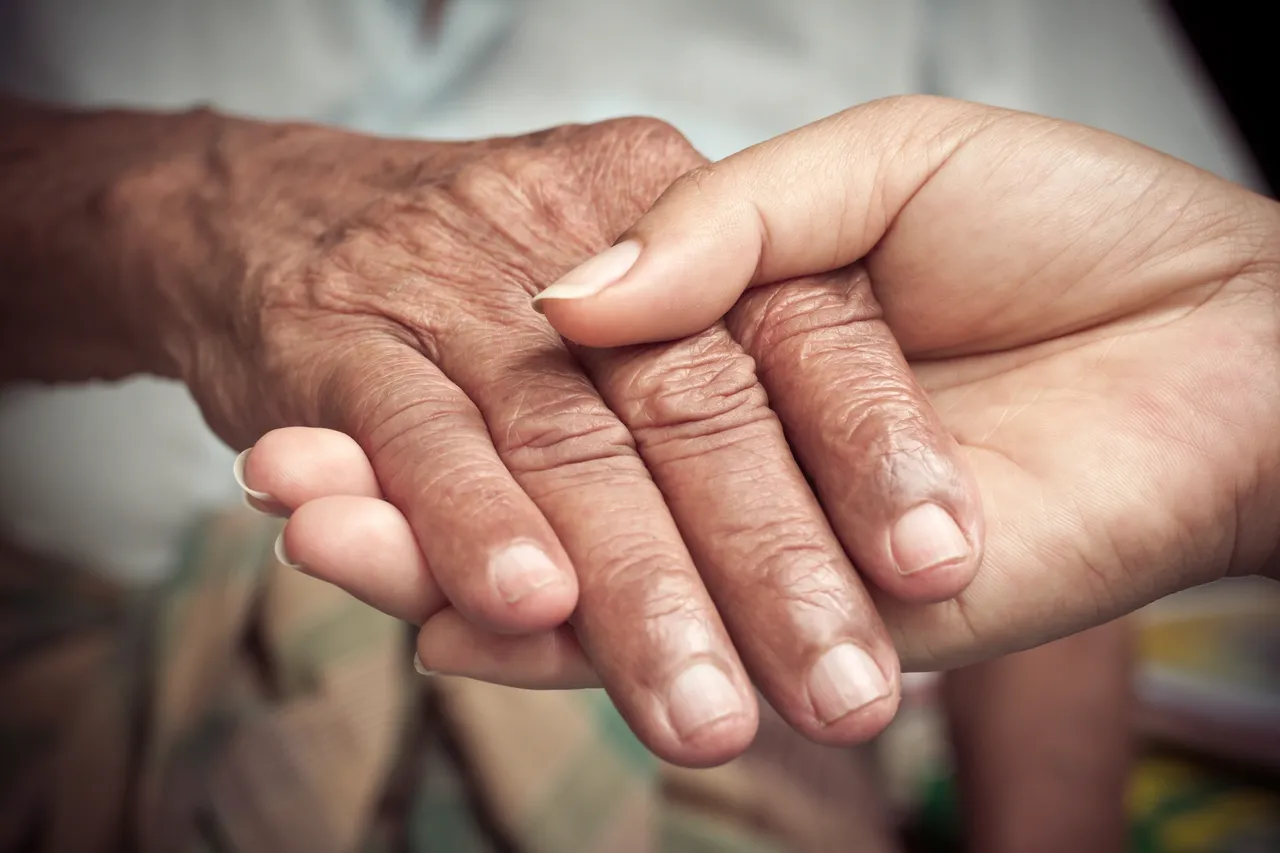
November is National Family Caregiver Month, a time to recognize and honor the millions of family caregivers who provide unpaid care and support to loved ones. While many of us might take for granted the idea that family members will always be there to care for us, the reality is far more complex. The expectation that families will simply step in to care for one another is not universal, and many people face the painful reality of isolation and neglect, even when they have family members living nearby.
In my view, family caregivers are among the most underappreciated individuals in our society. It’s easy to assume that caring for a loved one is simply part of the “family duty” or obligation—an inherent responsibility. But caregiving, especially when it involves managing chronic illness, aging, or disability, can be a full-time job, physically, emotionally, and financially exhausting. It requires patience, sacrifice, and a deep sense of love and commitment, yet these caregivers often go unnoticed, their efforts uncelebrated.
The Isolation of Vulnerable Populations
Having worked across various industries serving vulnerable populations—whether children, older adults, or individuals with disabilities—I’ve seen firsthand how caregivers often shoulder heavy burdens without adequate support. I’ve listened to heart-wrenching stories of individuals who, despite having family members, still feel abandoned, uncared for, and unsupported during their times of need. These stories are difficult to hear, especially when the people involved are facing life-altering circumstances, whether it’s a serious illness, mental health crisis, or the aging process.
It’s important to acknowledge that while many people have family, not everyone is fortunate enough to have family who can or will step in as caregivers. Family dynamics are complicated, and in some cases, people may not have the emotional, financial, or physical resources to offer the support their loved ones need. This creates a profound sense of loneliness for the person in need of care, and for the caregiver who may feel overwhelmed, unappreciated, or unsupported in their role.
My Own Experience as a Patient
As someone who has faced the challenges of illness personally, I can speak to the vital role family caregivers play in the healing process. I was diagnosed with breast cancer twice, and though my family lives in different countries, I was fortunate to receive the emotional and physical support I needed. My family made an effort to visit and offer whatever help they could, even though the distance made it difficult for them to provide regular in-person care.
Having the support of loved ones during such a challenging time was invaluable. It wasn’t just about having someone to help with physical tasks, like running errands or driving me to appointments—it was about the comfort of knowing I wasn’t alone, that my family cared and was rooting for my recovery. This experience reinforced my deep appreciation for the caregivers who step in, whether they are family or friends, to support loved ones through their health crises.
The Importance of Family Caregiving: A Personal Perspective
My own experience has deepened my understanding of the immense responsibility and emotional weight that comes with caregiving. I also witnessed this firsthand through my work in retirement communities, where I saw families dedicate their time and energy to care for their aging relatives. From assisting with medical needs to providing companionship, family caregivers are the backbone of the long-term care system. They often go without sleep, work multiple jobs, and give up their own personal goals and dreams to ensure the well-being of their loved ones.
In addition, my South Asian cultural background emphasizes the role of filial piety—the belief in honoring and caring for one’s parents and elders. This cultural value is deeply ingrained in me and shapes my approach to caregiving. It’s a reminder that, in many cultures, caregiving is not just a personal responsibility, but a moral duty. This cultural context has made me especially aware of the significance of family caregiving, both for the elderly and for individuals facing health challenges.
The Need for More Support for Caregivers
As we celebrate National Family Caregiver Month, it’s essential to acknowledge the vital role these caregivers play in the lives of their loved ones, and to recognize the need for more support. Too often, family caregivers are left to manage the burden of caregiving alone. They may not have access to resources or respite care, and they may not be aware of the support networks available to them. It’s critical that we create a culture that supports caregivers, both emotionally and practically.
Caregiving is a labor of love, but it should not be a thankless task. We need to ensure that family caregivers receive the recognition and resources they deserve. Whether through policy changes, community-based programs, or simply offering a helping hand to a caregiver in your life, we all have a role to play in supporting these unsung heroes.
Supporting Caregivers Through Flaunt Flat Revolution
At Flaunt Flat Revolution, our hope is to continue honoring and supporting the caregivers who are caring for someone diagnosed with breast cancer. We aim to ensure that caregivers feel empowered with the resources available to them so they can effectively advocate for their loved one’s choices while navigating the breast cancer journey. But it’s not just about supporting the person who is ill—it’s also about supporting the caregiver.
Caregivers need respite. They need space to recharge, to avoid the burnout that often comes with compassion fatigue. At Flaunt Flat Revolution, we strive to offer these caregivers the tools and programs to continue being effective in their caregiving roles while also protecting their own well-being. We want caregivers to feel uplifted, fulfilled, and appreciated as they continue to provide love and care to their family members.
To learn more about Flaunt Flat Revolution and our programs for caregivers, please visit us at www.flauntflatrevolution.org. You can also #JoinTheRevolution by becoming a donor to help us fund caregiver wellness programs and retreats, ensuring these everyday heroes are supported and celebrated.
Conclusion
This November, as we reflect on the contributions of family caregivers, let’s also take a moment to appreciate their efforts and advocate for better support systems. The love and care they provide often go unnoticed, but their sacrifices are immeasurable. We owe it to them to make sure they receive the recognition, support, and resources they need to continue doing the vital work they do. After all, caregiving is not just a family duty—it’s a fundamental part of what it means to be human.